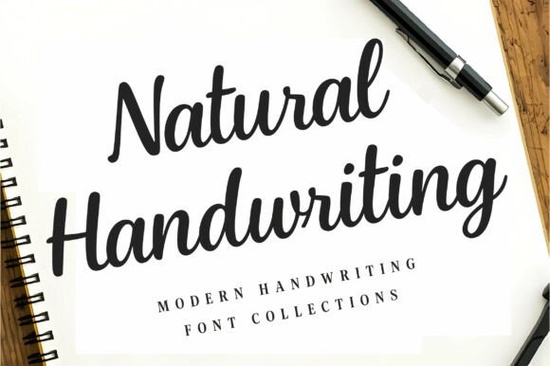
If you're looking for a script font that feels like something you'd actually write by hand without the wobbles, inconsistencies, or scanning hassles you’ll appreciate the Natural Handwriting font. It’s not overly ornate or calligraphic. Instead, it captures the relaxed rhythm of real pen-on-paper writing: slight variations in stroke weight, gentle connections between letters, and spacing that breathes naturally. That’s why it stands out among modern script fonts it’s designed to feel familiar, not flashy.
When does this font work best?
This isn’t a one-size-fits-all script. It shines where authenticity matters most: handwritten-style thank-you cards, journal covers, small-batch stationery, blog headers that invite readers in, or subtle watermark signatures on digital artwork. Because its moderate weight holds up well at smaller sizes and its letterforms stay legible even on low-res screens or printed labels it’s practical for both digital and physical use.
Small business owners building a warm, approachable brand often choose it for email headers or product tags. Print-on-demand sellers use it for quote-based wall art or notebook interiors where “handmade” is part of the appeal. Crafters pair it with watercolor textures or kraft paper backgrounds without worrying about visual competition the font stays soft but clear.
How does it compare to other script fonts?
Unlike tightly connected formal scripts (think elegant wedding invitations), Natural Handwriting leans into casual fluency not perfection. It avoids exaggerated swashes or dramatic flourishes, which makes it more versatile than many decorative handwriting fonts. You’ll notice it shares some of the ease found in the Hello font, but with less bounce and more grounded flow. Compared to the bolder Hailey font, it reads quieter and more personal ideal when you want sincerity over statement.
It also sits comfortably alongside other realistic options like the handwritten font collection, though Natural Handwriting has been fine-tuned for consistency across weights and OpenType features (like alternate characters and ligatures). For designers who value typographic control without sacrificing charm, that balance matters.
Where to use it without overdoing it
Script fonts can easily overwhelm if used everywhere. With Natural Handwriting, less is more. Try it for:
- Short headlines or pull quotes especially paired with a clean sans-serif body font
- Signature lines on digital receipts, PDF worksheets, or printable planners
- Labels for handmade goods (soap, candles, preserves) where customers respond to human touch
- Instagram story text overlays that need to feel conversational, not corporate
- Custom notebook spines or journal title pages where legibility and warmth both matter
Avoid using it for long paragraphs, legal disclaimers, or anything requiring high scanability. Its strength is emotional resonance not dense information delivery.
What about technical details?
The font includes standard and OpenType features like contextual alternates and swash variants so letters connect more naturally depending on their position in a word. It supports Latin-based languages and works smoothly in design apps like Adobe Illustrator, Canva, and Affinity Designer. No installation headaches: it comes as OTF and TTF files, plus a handy PDF guide showing how to access alternates in different programs.
For those comparing options, the Alignment font offers tighter spacing and geometric precision, while the Natural Handwriting font prioritizes organic movement. Neither is “better” they serve different moods and messages.
Getting started practical next steps
If you already have a project in mind, download the font and test it with real copy not just “The quick brown fox.” Try writing a short sentence you’d actually send to a friend or customer. Does it feel like you? If yes, you’re on the right track.
Before finalizing, check how it renders at your intended size and medium. Print a test page for stationery, or preview on mobile for social graphics. And remember: pairing it with ample white space and a simple layout helps the font breathe and keeps the focus on its quiet confidence.
Quick checklist before you use it:
- Is the message personal or emotionally driven? ✔️
- Will it appear at a readable size (14pt minimum for print, 20px+ for web)? ✔️
- Are you using it for short bursts not walls of text? ✔️
- Have you tested alternate characters for smoother connections? ✔️
- Does it pair well with your supporting typeface (e.g., a neutral sans-serif)? ✔️
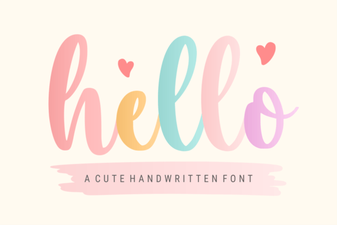 Hello Fonts for Web & Print Design Projects
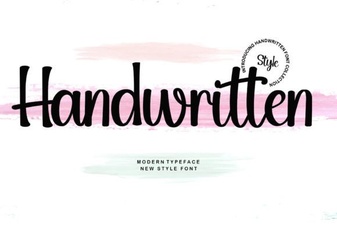 Crafting Personality with Handwritten Fonts
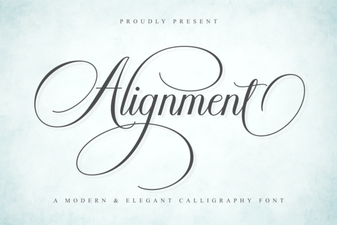 The Art of Text Alignment & Font Selection
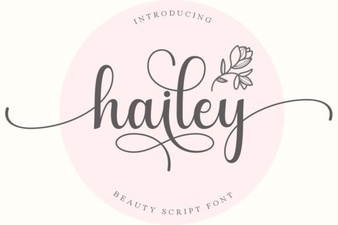 The Hailey Font: Elegant Typography for Modern Designs
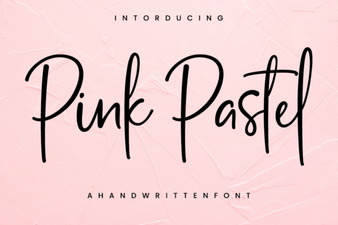 Stylish Pink Pastel Fonts for Your Designs
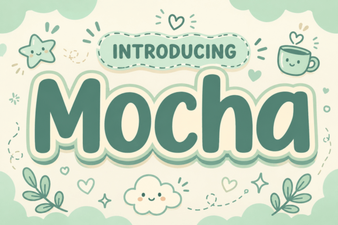 Motcha Font: Creative Uses for Modern Design