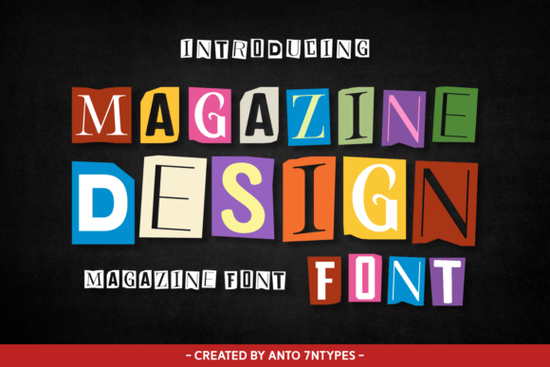
If you're looking for a display font that feels like flipping through a well-loved 1970s magazine full of energy, texture, and quiet confidence you’ll appreciate Magazine Design Font. It’s not just another bold typeface. Its uneven baselines, hand-cut letterforms, and subtle irregularities come from real vintage inspiration: ransom-note aesthetics, newspaper clippings, and collage art. That means it works especially well when you need visual personality without sacrificing readability whether you’re designing a book cover, a small-batch T-shirt, or Instagram graphics for a local café.
When does Magazine Design Font fit best?
This font shines where charm and clarity matter more than neutrality. Think: indie magazine mastheads, handmade greeting cards, craft fair signage, or packaging for artisanal food brands. It’s built for impact at medium to large sizes so it’s less suited for body text or tiny labels, but perfect for headlines, quotes, posters, and social media banners. Because its rhythm feels intentional not mechanical it pairs well with clean sans-serifs (like Montserrat or Inter) or other textured display fonts that share its playful-but-grounded sensibility.
How does it compare to similar retro display fonts?
Unlike some “vintage” fonts that lean too heavily on distressed edges or exaggerated quirks, Magazine Design Font keeps its balance. It’s cheerful but not childish, bold but not aggressive. If you’ve tried Stacked Chunky Font and found it a little too rigid for your project, this one offers more organic movement. And while The Pickles House Font leans into whimsical illustration, Magazine Design Font stays focused on strong typographic structure even when it looks handmade.
For designers who love mixing eras, it sits comfortably alongside modern vintage fonts fonts that nod to mid-century design but avoid clichés like excessive serifs or overused script flourishes. It also shares some DNA with Kidpop Font, though Magazine Design Font feels more mature and editorial, less cartoonish. That makes it especially useful for creatives serving adult audiences think wellness coaches, boutique publishers, or small press authors.
Real uses that work well (and a few that don’t)
- Works great: Book covers, zine titles, podcast logos, enamel pin designs, event posters, coffee bag labels, quote graphics for Instagram.
- Less ideal: Long paragraphs, legal disclaimers, mobile app buttons under 16px, or any context where quick scanning is essential (e.g., ingredient lists or safety instructions).
One thing users consistently notice: it prints beautifully. Whether you’re laser-cutting vinyl decals or screen-printing tote bags, the outlines hold up well at high resolution and the character set includes standard Latin letters, numbers, and common punctuation. No extra ligatures or stylistic alternates clutter the experience, which keeps things simple if you’re new to working with display fonts.
Where to use it next (without overthinking)
Start small. Try swapping Magazine Design Font into an existing project where you already use a generic bold sans-serif like a Canva Instagram post or a mockup in Adobe Express. See how it changes the tone. Does it feel more personal? More memorable? If yes, consider using it consistently across your brand’s visual touchpoints: your Etsy shop banner, your Substack header, even the title slide of your next client presentation.
You can also pair it thoughtfully with free Google Fonts. Try Magazine Design Font for headlines and Magazine Design Font for subheads or captions. Or go monochrome: use it in black and white only, then add color through photography or layout not the type itself.
It’s worth noting that Creative Fabrica regularly updates licensing terms, so always double-check what’s included (personal use, commercial use, POD rights) before downloading. Most users report smooth integration with Cricut Design Space, Silhouette Studio, and basic desktop apps like Pages or Word but if you’re using specialized software like Affinity Publisher or Scribus, test the OTF file first.
Finally, if you enjoy this style, you might also like exploring other display fonts designed for editorial projects, especially those with clear spacing and open counters details that help maintain legibility across formats.
Before you download:
- Check your intended use against the license (especially for print-on-demand or physical products).
- Preview it at actual size on screen and printed before committing to a full design.
- Test contrast: it reads best on light or muted backgrounds, not busy photos or dark gradients.
- Pair it with one neutral font only don’t stack multiple display fonts unless you’re intentionally going for maximalist collage energy.
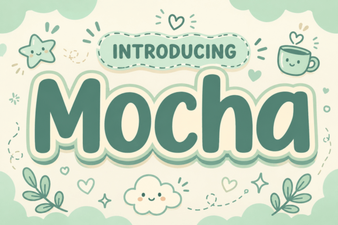 Motcha Font: Creative Uses for Modern Design
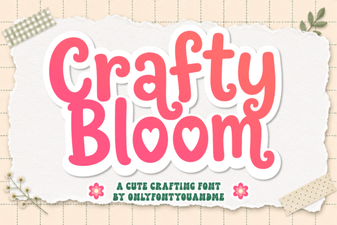 Introducing the Crafty Bloom Font for Creative Projects
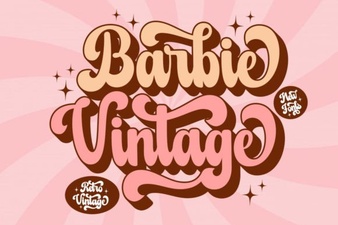 Barbie Vintage Fonts for Creative Design Projects
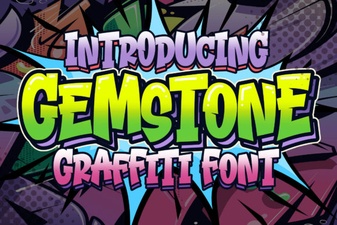 Gemstone Fonts: Designs to Illuminate Your Projects
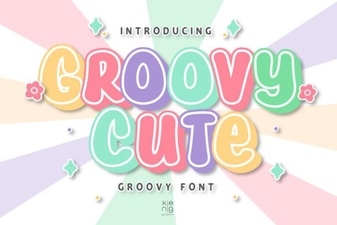 Groovy Cute Font Ideas for Creative Projects
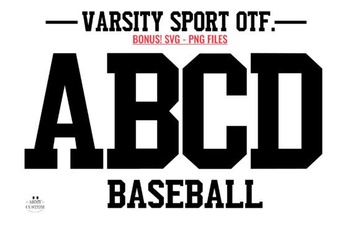 Army Font Styles for School Spirit Projects